Participate in a clinical trial
Invest in your own health, and the health of future generations
Invest in your own health, and the health of future generations
Clinical trials are an essential step in the development of new drugs and therapeutic options for today’s patients and tomorrow’s population.
We run research trials in a broad range of therapeutic areas and are always looking for participants.
There are many reasons to participate in a clinical trial at CGM Research:
All new drugs for treatment in humans must pass through several phases of clinical trials.
CGM Research Trust pays careful attention to the needs of participants, throughout the course of the study providing services such as transportation, 24 hours availability of study staff, arrangement of referrals to other doctors and support groups and ensuring continuity of care.
What is a clinical Trial?
A clinical trial is conducted to find better ways to prevent, diagnose and treat diseases. Trials of new potential treatments may show which medical approaches are better for different illnesses or groups of people.
A clinical trial is designed to find which treatments are most effective.
A clinical trial is one of the final stages in the long and careful research and development process to find better healthcare solutions.
Are clinical trials safe?
There are very strict guidelines and safeguards to protect participants in clinical trials.
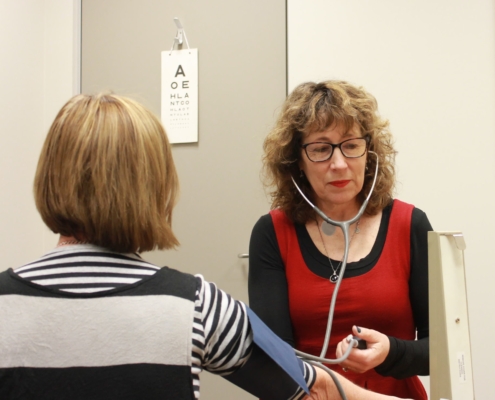
Whilst in a clinical trial, participants are seen regularly by the research team to monitor their health and to determine the safety and effectiveness of their treatment.
Governing bodies and independent review boards oversee all studies and ensure risks are as low as possible.
Who pays for clinical trials?
Trials may be sponsored by pharmaceutical companies, biotech agencies, medical research institutions, foundations or trust organisations
What is a protocol?
A protocol is a study plan carefully designed to safeguard the health of the participants and answer specific research questions.
The protocol describes the purpose of the trial, how it will be performed, the types of people who can participate, the schedule of tests, procedures, medications, and the length of the study.
What is informed consent?
Informed consent is the process by which an individual voluntarily confirms their willingness to participate in a particular trial.
You will be given a copy of the informed consent document, which contains information regarding all aspects of the trial.
The informed consent form states why the research is being done, what will happen during the study, the time involved, the risks and benefits, your rights as a participant and how your privacy will be protected.
An informed consent form must be signed before any study procedures can be undertaken.
Will I learn the results?
The results will be made available to you when the trial has been completed.
Who can participate in a trial?
All clinical research studies have guidelines called eligibility criteria which determine who can participate.
These guidelines are based on factors such as age, medical history, current medical conditions and medications.
These criteria are used to identify suitable potential participants.
How much time is involved?
Trials vary in length and time requirements.
All this will be fully explained to you before you decide whether or not to participate.
What if I change my mind?
Involvement in clinical research trials is voluntary.
You are able to change your mind and withdraw at any time.
Withdrawal will not affect any future medical care
How are my rights protected?
All trial participants are protected by the Health and Disability Act Code of Rights.
There are very strict international standards and regulations for all trials involving human participants.
All your medical records and information will remain completely confidential.
What is a placebo?
A placebo is an inactive substance that has no therapeutic effect.
In clinical trials experimental treatments are often compared with a placebo to assess the effectiveness of the treatment.
Will I be paid?
This varies depending on the trial.
You will be reimbursed for your expenses while participating in the trial e.g. travel costs.
Where can I find out more about clinical trials?
The CGM Research staff are happy to answer all your questions
You can talk to your own doctor or specialist
You can also contact the Health & Disability Committee (HDEC), ph. 0800 384 427
For more information on Certified Clinical Trial Sites go to the Medsafe Website.